
Choosing the right care home in Kent is one of the most important and emotional decisions a family can make. It often begins gradually, a few changes that feel manageable, until you find yourself stepping in more often, worrying more frequently, and questioning whether your loved one is still safe and supported at home.
If you’re at this stage, you’re not alone. Many families reach a point where extra support is needed, but knowing what to do next can feel unclear. Choosing a care home is rarely a single decision, it’s a process that involves practical considerations, emotional conversations, and sometimes differing opinions within a family.
In Kent, care homes offer a range of support options, from residential care to specialist dementia care. Understanding what to look for, what questions to ask, and how to compare your options can help you make a confident and informed decision.
This guide will walk you through the key factors to consider when choosing a care home in Kent, helping you find the right environment, level of care, and support for your loved one.
Step 1: Recognising when “a bit of help” has become “more support is needed”
Families often notice changes before the person themselves does, or before they’re ready to accept them. What begins as small, manageable shifts can gradually become more frequent, raising concerns about safety, wellbeing, and day-to-day life.
Common signs that more care may be needed
Signs that extra support may be needed can include:
- struggling with washing, dressing, or preparing meals
- missed medication or confusion around timings
- regular falls, unsteadiness, or reduced mobility
- increased forgetfulness or difficulty managing finances
- loneliness, withdrawal, or changes in mood
- safety concerns at home (cooking, unlocked doors, wandering, hoarding)
- frequent GP visits, hospital admissions, or a noticeable decline after illness
When small adjustments are no longer enough
It’s common to try small fixes first: offering more family support, making adaptations at home, or increasing visits. These steps can help in the short term, but if the level of support needed continues to grow, it may become difficult to maintain a safe and sustainable routine.
Recognising this point is not about giving up independence, it’s about understanding when additional support can improve quality of life for both your loved one and your family. This signals the right time to explore care options more seriously.
Step 2: Understanding the emotional weight of the decision
Even when you know support is needed, the emotional barriers can feel enormous:
Guilt: “Am I letting them down?”
Fear: “What if they don’t settle?”
Overwhelm: “Where do I even start?”
Family tension: “Everyone has a different opinion.”
Worry about finances: “How will we pay for this?”
This is exactly why the right care home doesn’t just offer care, it offers guidance. A friendly, knowledgeable team can make the process clearer, calmer, and more manageable.
Step 3: Start with a friendly one-to-one conversation
A helpful first step is often a one-to-one conversation with a care home team, not a sales pitch, but a supportive chat that helps you understand what’s possible.
In Dymchurch, local care homes can help make the decision easier by giving you the right information and answering the questions you may not even know to ask yet.
Through a friendly one-to-one conversation, you can be supported to understand:
- what type of care your loved one may need now (and later)
- what the admissions process looks like
- what to expect day-to-day inside a care home
- how care planning works
- how to approach conversations with family members and professionals
- what funding routes might apply
Often, families leave that first conversation feeling something they haven’t felt in a while: relief.
Step 4: Navigating healthcare services: GP, social services, and assessments
When care needs increase, it can feel like you’re suddenly dealing with an entire system: GP appointments, referrals, social services, hospital discharge teams, assessments, forms, phone calls, and waiting lists.
For many families, this stage can feel overwhelming. Understanding how these services connect can help you feel more in control and better prepared for the next steps.
Understanding how the care and assessment process works
In most cases, the process begins with a GP or healthcare professional identifying that additional support may be needed. This can lead to referrals for further assessment, either through social services or specialist teams.
A needs assessment may then be carried out to understand the level of care required. This helps determine what type of support is appropriate, whether that’s care at home, respite care, or a longer-term care home placement.
The role of social services and healthcare professionals
Social services play a key role in assessing care needs and, where eligible, arranging support. They may also carry out financial assessments to determine whether funding is available.
Alongside this, healthcare professionals such as GPs, district nurses, and hospital teams may be involved in providing medical input, particularly following illness, injury, or hospital discharge.
Information you may need to prepare
As part of this process, families are often asked to provide key information to help professionals understand the situation clearly. This may include:
- Summaries from the GP or specialist
- Current medication lists
- Mobility needs and any history of falls
- Dietary requirements or nutritional concerns
- Cognitive or memory-related changes
- Support currently being provided at home
- Recent hospital admissions or discharge notes
Having this information ready can help make assessments smoother and reduce delays.
How care homes can support you through the process
While care homes don’t replace statutory services, they can play an important role in helping you understand how the system works. A knowledgeable care home team can:
- Explain what typically happens at each stage
- Help you prepare for conversations with professionals
- Clarify what information is needed
- Support you in understanding your options
This guidance can make a significant difference, particularly during periods that feel uncertain or pressured.
Step 5: Funding conversations: understanding the options without panic
Funding is often one of the biggest worry-points and one of the reasons families delay making enquiries.
A care home conversation can help you understand the most common routes, including:
- self-funding (private funding)
- local authority support (where eligible, following a financial assessment)
- NHS Continuing Healthcare (CHC) (for eligible individuals with significant ongoing health needs)
A supportive care team can talk through what you’ve heard, what might apply, and what steps are usually involved, helping you move from “fear of the unknown” to a clearer plan.
Step 6: Medical requirements and the reality of day-to-day care
A key part of choosing the right care home is ensuring it can meet your loved one’s needs, not just today, but as things change. Topics to explore include:
- mobility support and falls prevention
- medication management
- support with personal care and continence
- dementia or memory support (if relevant)
- nutrition, hydration, and special diets
- communication needs (hearing, sight, speech)
- emotional wellbeing and anxiety support
- coordination with GPs, district nurses, therapists, and other professionals
The best care homes will talk openly and clearly about what they can provide, and how they adapt care as needs evolve.
Step 7: What happens at the care home: settling in, routines, and reassurance
Families often imagine care homes as unfamiliar or rigid, but many modern care homes focus on creating a sense of comfort, personal choice, and routine that reduces anxiety. A helpful care home discussion will usually cover:
- what moving in looks like (and how settling is supported)
- visiting and family involvement
- daily routines (meals, activities, rest, personal care)
- how preferences are respected (wake-up times, hobbies, food choices)
- what a typical day feels like for residents
- how dignity, privacy, and independence are supported
This is where peace of mind really grows because you can picture your loved one being supported, not “managed”.
Step 8: Developing a care plan: how personalised care really works
A care plan isn’t just paperwork it’s the foundation of safe, consistent, person-centred care.
When a loved one moves into a care home, the team will gather information about:
- medical needs and current routines
- mobility, nutrition, and personal care requirements
- communication and cognitive needs
- likes, dislikes, hobbies, and life history
- what comforts them during stress or confusion
- family involvement and preferences
This helps ensure that care is not “one size fits all” but built around the person.
Step 9: The care team: who supports your loved one and how families stay informed
Another major comfort for families is understanding who will be looking after their loved one and how communication works. Care homes can explain:
- how staff are trained and supported
- how care is handed over between shifts
- how families receive updates
- what happens if health needs change
- how concerns are raised and resolved
Knowing there’s a team around your loved one, and that you’re not carrying the responsibility alone, is often the biggest source of relief.
Choosing care in Kent doesn’t have to feel lonely
If you’re exploring care options in Kent, especially within Dymchurch, start with the simplest step: a conversation.
A friendly one-to-one chat with a care home can help you organise your thoughts, understand the process, prepare for stakeholder conversations (family, GP, social services), and feel reassured about what comes next.
Because choosing the right care home is a big decision but you don’t have to make it in the dark.
Peace of mind often begins with someone saying: “Let’s talk it through.”
Related News

A Sweet Afternoon of Baking for Wellbeing for Happiness
Simple pleasures, shared happiness: wellbeing at The Old Rectory Care Home A sweet afternoon…
Touch of Gentleness at Home
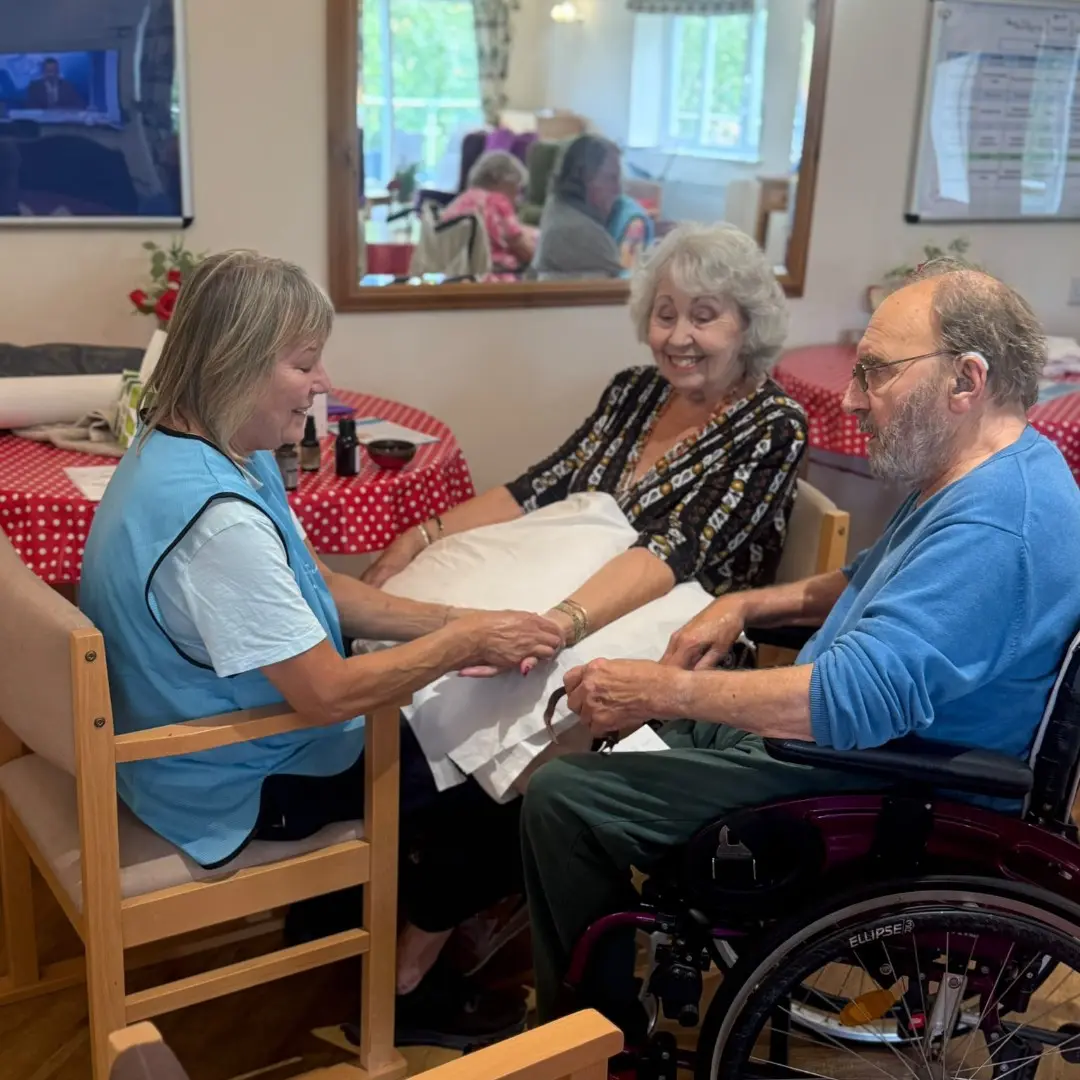
A touch of gentleness: wellbeing and companionship at Mountside A little time, a gentle hand…
Heartfelt Thanks For Everyday Kindness
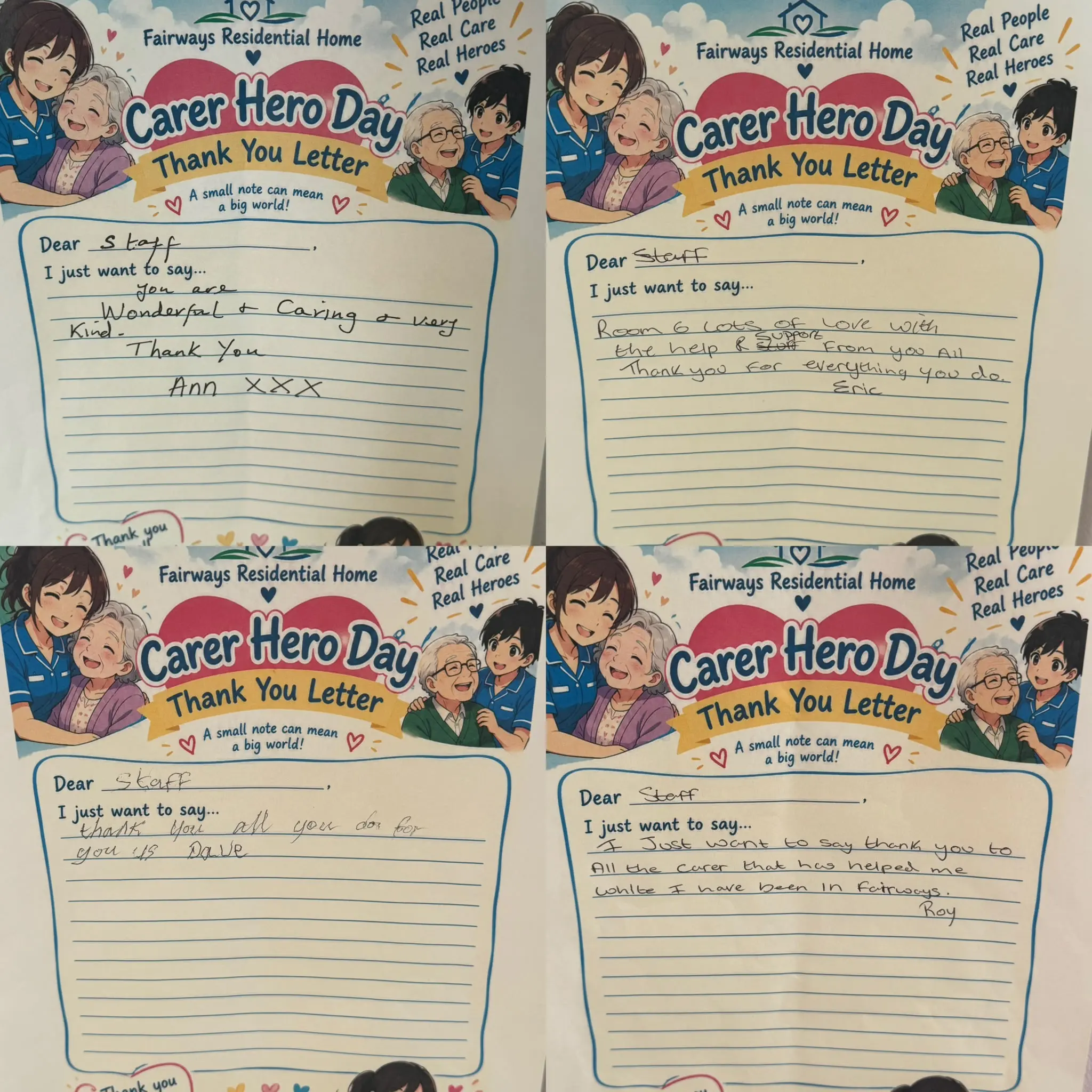
Fairways celebrates Carer Hero Day: heartfelt thanks for everyday kindness At Fairways Care Home…

Request a Brochure
Find out more about our homes, our team, our care and typical fees.

Book a Tour
Come and see the home for yourself – we’re always open for coffee and a chat.

Bedrooms Available
We’re accepting residents for residential, dementia and respite care. Reserve your space today.